Martial Arts Lifestyle
Is Martial Arts a Sport or a Lifestyle?
“You don’t practice martial arts. You live it.”
Walk into any dojo, and you’ll see students stretching, sparring, and sweating—just like you’d find in any other sport. But look a little closer. The bow before stepping on the mat. The quiet discipline. The mutual respect. The way students carry themselves even outside of class. That’s where the difference shows up. Because martial arts isn’t just something you do—it’s a lifestyle.
Yes, martial arts includes physical training. It builds fitness, strength, and coordination. But it also shapes how you think, how you handle conflict, and how your presence can be seen in the world. It’s not about wins and losses—it’s about growth. And while it might look like a sport from the outside, the impact runs much deeper.
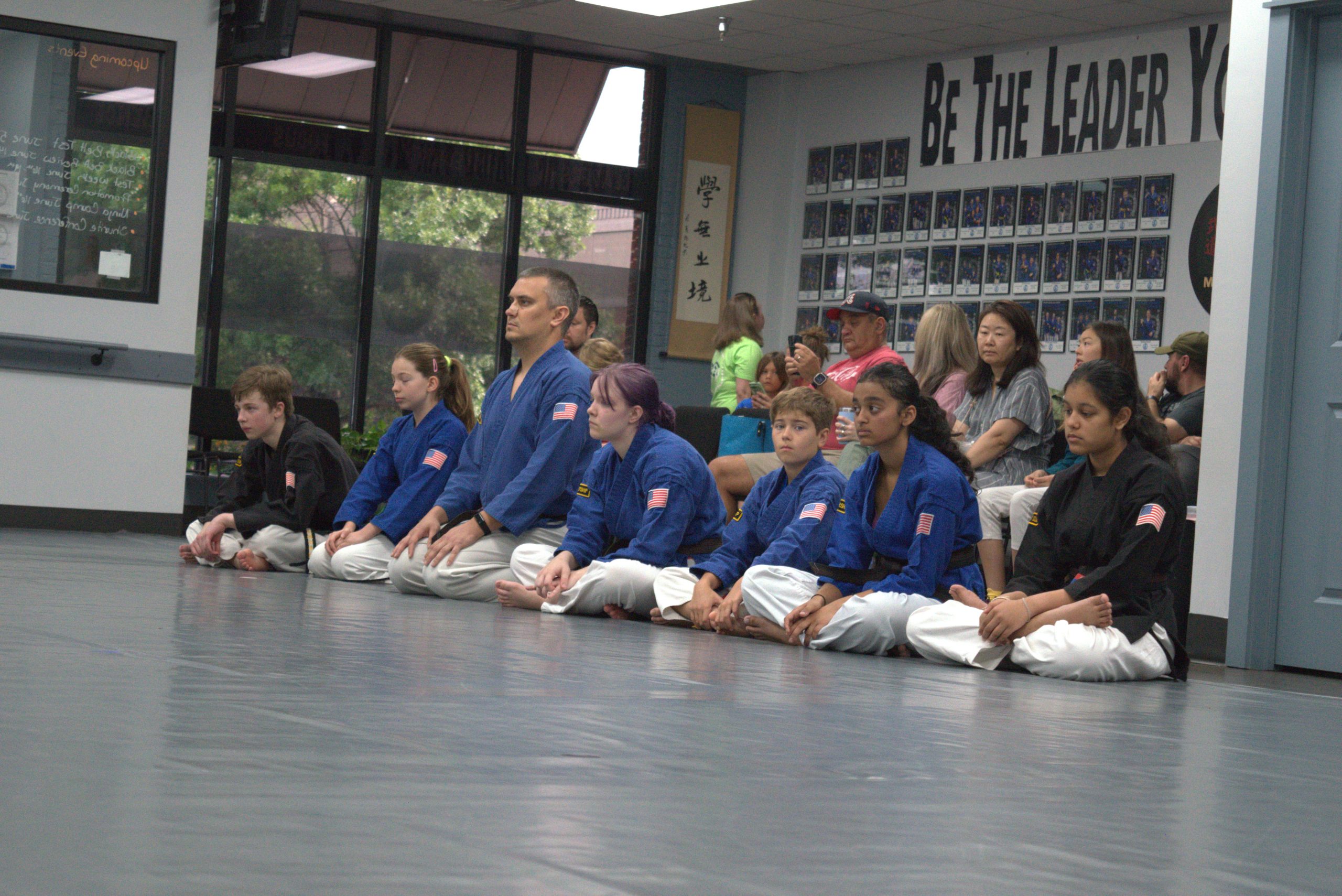
More Than a Scoreboard
In traditional sports, the focus is often on performance. Score more points. Win the game. Climb the rankings. And while martial arts has competition too, that’s not the central goal. The true purpose of martial arts is personal development—physically, mentally, and emotionally.
A student may train for years without ever stepping into a tournament ring. Why? Because their progress is measured by how they’ve grown, not just how they’ve performed. In martial arts, success isn’t just a trophy—it’s increased patience, better focus, more self-control, and deeper respect for others. That kind of transformation doesn’t end when class is over. It continues into school, work, and everyday life. That’s the mark of a lifestyle, not just a sport.
The Lifestyle of Discipline
What does a martial arts lifestyle actually look like?
It means getting up early to stretch, not because someone told you to, but because it helps you perform. Next, it means not using shortcuts in life because your training taught you the value of discipline. And it means staying calm during an argument because you’ve practiced self-control every time you’ve sparred.
For kids, it shows up in the way they hold themselves at school. And how they respond to peer pressure. As well as how they treat their teachers and classmates. For adults, it shows up in leadership at work, improved stress management, and healthier daily habits.
This isn’t just a class that happens twice a week. It becomes the backbone of how you move through the world.
The Dojo as a Second Home
One of the reasons martial arts becomes a lifestyle is that the community reinforces it. At Crabapple Martial Arts Academy, for example, students can build deep relationships not just with instructors, but with peers and families. It’s not just a training facility—it’s a support system.
That culture is intentional. Respect isn’t optional. Humility is celebrated. Effort matters more than raw talent. And that shared code follows students out the door and into life. It becomes part of their identity.
They’re not just “doing karate” or “going to jiu-jitsu class.” They’re living the lifestyle—in posture, in language, and in how they treat people. That’s what separates this path from other athletic experiences. It doesn’t stop when you leave the mat.
Why It Matters for Kids (and Adults)
This matters more today than ever. In a world full of distractions, instant gratification, and emotional reactivity, martial arts offers an anchor. It teaches young students that success is earned slowly, that mastery is a journey, and that respect is non-negotiable. And it teaches adults that it’s never too late to grow, refocus, and push for more.
If you’re only looking for a sport, you’ll find dozens of options. But if you’re looking for something that builds character, community, and long-term transformation, martial arts isn’t just a good fit—it’s a new way of life.
Final Thoughts: It’s More Than a Hobby
So, is martial arts a sport or a lifestyle?
The answer is simple: it starts as a sport. But if you stick with it long enough, if you train with heart and intention, it becomes something much bigger.
It becomes your mindset. Your movement. Your community.
It becomes your way of life.
Check out these other Blogs!

Crabapplemartialarts.com and Crabapple Martial Arts Academy has been selected the nation’s #1 martial arts schools for SIX YEARS IN A ROW by the American Budokai International!
Founded in 2013 by Mr. C. Matthew White is a 5th-degree Black Belt in Karate and 6th-degree Black Belt in Jiu Jitsu, and Master Instructor. Crabapple Martial Arts Academy has Karate lessons for pre-school children to elementary kids ages 4 and up. These classes are designed to develop the critical building blocks kids need – specialized for each age group – for school excellence and later success in life.
Crabapple Martial Arts Adult Karate training is a complete adult fitness and conditioning program. This is for adults who want to lose weight, get (and stay) in shape, or learn self-defense in a supportive environment.
Instructors can answer questions or be contacted 24 hours a day, 7 days a week at of****@******************ts.com or call directly at 770-645-0930. You can also visit our website at CrabappleMartialArts.com.
About C. Matthew White, Shihan: Matt is a fifth-degree black belt in a traditional Japanese and Okinawan Martial Arts – Shuri Ryu Karatedo. He is also a sixth-degree black belt in Japanese Jiu Jitsu – Shintoyoshin Kai Jiu Jitsu. He is a master instructor with the title of Shihan, which means teacher of teachers in Japanese. Matt has a bachelor’s degree in Exercise and Sports Physiology. He has been training and teaching martial arts for over 27 years. He has owned Crabapple Martial Arts Academy since 2013. Shihan White is a motivational speaker and educator who teaches seminars in bullying, business, and martial arts training.
Crabapple Martial Arts Academy Headquarters is in Alpharetta, Georgia at 12315 Crabapple Road., Suite 124, Alpharetta GA 30004. You can locate the Chief Instructor, Sensei Robert Reed there or directly at (770) 645-0930.